Friday, April 10, 2015

Want to win this bag?  Like us on Facebook for a chance to win!  Once we reach 300 likes, we will have a random drawing.

Go here:

https://www.facebook.com/BeaserBags?ref=bookmarks

Click Like.  And that's it.

This is a Della Wallet by Swoon Patterns.  Great for summer book fair, lounging by the pool, or shopping at the Saturday morning Farmer's Market!


Thursday, December 18, 2014

Visit my Craftsy.com pattern shop to download the free Luggage ID Tag Pattern.  This project is  super easy and quick to complete. A great gift for men and women, and can be made with vinyl, leather or fabric scraps.


http://www.craftsy.com/user/6028056/pattern-store?_ct=cx-buvjdql&_ctp=my-pattern-store,manage

Friday, December 12, 2014

Tips for Beginners working with intermediate/advanced patterns

As a beginner, it is imperative to practice your skills before starting any project. But sometimes, we just want to dig in and make something pretty!  Here are a few tips to dig in.  Find a project that you like and purchase the pattern.
    *Find and purchase a pattern that you want to make.   Patterns come in commercial brands (McCalls, Butterwick and Simplicity are the most reliable and correct and easy to follow commercial brand patterns) or designer brands (various pdf or paper pattern versions).  Note:  if you purchase a pdf pattern, be sure to follow the printing instructions.  There is usually a test square.  Print that page first and make sure your settings are correct.  If you print square is incorrect, the rest of your pattern pieces are also incorrect.

*Read through ALL of the pattern first, including any pattern language you do not understand.  Use resources (see below) for clearing up anything that you do not understand

*Purchase all of your materials, notions, and project supplies (purchase extra fabric, just in case you make a mistake cutting).

*Purchase inexpensive fabrics and notions, and practice the techniques contained in your pattern instructions.
    *Read twice (measure twice)/cut once.  Watch for special instructions, such as PLACE ON FOLD, cut 1, cut 2, extra fabric needed for one way design, etc
    *Take your time!  Cut out your pattern pieces, following any instructions given to attach your pattern pieces together (where necessary).  Some pdf patterns are printed on standard sized paper, and some pieces need to be taped together.  Follow the attachment instructions (tape lines, etc.)
    *Purchase good thread.  It is well-worth the cost.  Cheap thread creates a lot of lint and will tend to break—often. 
    *Before beginning your project, make several bobbins so you can quickly refill your bobbin case if a bobbin runs out.  As a rule, I make 5 bobbins for each project.
    *Purchase the correct interfacing, fleece, etc.  These types of materials are numbered on the bolt to help identify what type each is.  When you visit the fabric store, bring slips of paper and safety pins with you, and label each piece as the clerk cuts your purchase.  This will reduce confusion when you get ready to cut out your pieces.
    *Once you begin sewing your project, do it one step at a time.  Follow your pattern one step at a time and take your time. 
    *Take breaks. Put on your favorite music.  Have a cup of coffee or glass of wine—enjoy yourself!
    *Keep your seam ripper handy and carefully rip out seams that are not professional.  
    *Make sure your iron is clean and you have a good ironing surface or clean ironing board cover.  Purchase some cleaning paste for your iron in case you need to clean your iron.  Anything that is on your iron plate will get onto your project.  Once it melds into your fabric, your project is ruined.  This paste can be purchased at Walmart, usually in the laundry detergent isle. Never scrub your iron plate!
    *Make a “test” project from cheap fabric first.  You can work out all of your misunderstandings without any regrets!

    *Just go for it—try it out.  If your project is a flop, learn from your mistakes and try again.  You will succeed eventually!  There are no mistakes, just opportunities for creativity (a quote from someone but I cannot remember who).
    *Most importantly, don’t rush to complete your project.  Enjoy the process and you will enjoy the results. Have fun!
Sewing Help Resources
·       You Tube videos
·       Fabric Stores (ask the employees for advice; most are very knowledgeable)
·       Contact the designer of the pattern for clarification (most are happy to help)
·       Facebook—join a sewing group related to that specific pattern designer.  Also join groups for people who love to sew—these are great places to ask questions and get help. 
·       Sewing guilds—join or visit a sewing guild meeting.  There are usually plenty of men and women who love to teach beginners new skills and advance their newly developing skills.
·       Get a group of new sewing friends together.  You will be delightfully surprised!  Everyone has a different set of skills and sewing knowledge to bring to the “sewing table.”
·       Check your local library for free sewing classes, contacts for sewing help within your community, and books! 
·       Your bookstore (online and the store) has plenty of resources for honing your sewing skills.


Great Sewing Websites for All Sewing Levels


Like my Facebook page to learn how you can enter to win a kit to make this wonderful project!


https://www.facebook.com/BeaserBags?ref=bookmarks

Tuesday, December 2, 2014

The Tuck N Roll jewelry bag is ready for pdf instant download. Please visit my Etsy Shop to purchase.

https://www.etsy.com/shop/BeaserBags?ref=search_shop_redirect


Thursday, November 13, 2014

Creative Fabrics & Notions

Fabric and quilt stores are not the only places to find really nice, high quality fabrics, handbag hardware, and sewing notions.  Garage sales, estate sales and thrift shops are are a girl’s best budget friend.  Here is a short list of things you can find:

Old or Broken and Outdated Purses, Handbags and Gym Bags
What to look for:  good hardware that you can take apart and reuse, straps, reusable snaps, decorative pieces, zipper pulls, zippers, canvas for linings, good bag linings that can be reused, leather or faux leather pockets.
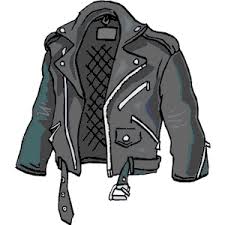
Outdated Men’s Leather Jackets/Faux Leather Jackets
There is usually enough leather on a large man’s jacket to make a nice purse, tote, or bag.  Carefully cut off any sewn areas and salvage large pieces of the leather and the lining.  Also, save the buttons, and zippers if there are any zippers.

Linens (Sheets, Pillowcases)
Use for linings, baby clothes (Christening gowns), gift bags, and any other project that calls for a delicate fabric.  Look for lacy or handworked or machine embroidery pieces to sew special gifts.

Outdated Wedding Dresses
Use for charity projects, such as making burial gowns for infants, create beautiful bridal bags, reuse beading and tulle, strip the lace for projects, and use for bag linings.  You can also make special bridal pillowcases for the bride  to use the night before her wedding day (silk pillowcases keep your hair nice and neat!) or a gift for a friend in the hospital.

Tablecloths
Rather than purchasing oilcloth (which is a plastic coated fabric used for lunch totes, lunch tote linings, etc.), pick these up for pennies!  They are usually large enough to cover a large dining room table, so there is a lot of fabric in one large piece.

Curtains
High quality curtains (especially) custom made curtains, can be cut up and unhemmed with plenty of fine materials for creating nice bags, pillows, smaller curtains, or cushion covers.  Don’t overlook the outdated prints, because those can be used as linings or making “fittings” (a practice run on a project you intend to make with some expensive store fabrics).

Old Uniforms
Lots of uniforms come with decorative pins, hardware, and fobs that can be taken apart and used on other projects.  Old military uniforms make beautiful and sturdy duffle bags, travel bags, and purses.  This type of canvas lasts many years.  Make sure that if you are using military wear, remove ALL stripes, pins, badges, etc. out of respect to the person who owned the uniform.  Also remove any identification of the branch of service—what you want is the fabric—not the identity (please be respectful). 

Old Sweaters
Make your special pooch a warm sweater using old (people) sweaters.  Free patterns can be found online.  Be careful about particular sweaters that have a high tendency to ravel.  You can also cut these up and hand “knit” them together with a needle and thread to make patchwork blankets.  (I may have to make one of these myself!)

Fleece Blankets/Old Quilts
Use these (instead of batting) to make baby quilts.  Make sure you have them cleaned well and that they are in reasonably good condition. 

Old/Outdated Clothing
What to look for:  nice buttons, zippers in good condition, reusable pockets, nice trim, etc.

Prom Dresses/Bridal Wear
Cut up and use for linings for all types of bags.  Either silk, brocade or polyester works great for linings.  These items also make beautiful remade bridal bags using metal bag frames.  Reuse any decorative accents on these dresses, also, such as beading, zippers, rosettes, etc.  Here is a link with a beautiful metal frame bag:


Decorator Fabric/Decorator Swatches/Decorator Placemats
Decorator fabric is a heavy duty fabric such as that used on upholstered furniture and pillows.  Swatches come in large pieces and are sometimes freebies. These can be used for bags, and metal frame clutches as well.


Jewelry Finds (broken and not broken)
Jewelry and trinkets can be used for pretty zipper pulls for cosmetic bag zippers, jacket zippers, etc.  Here’s a great link to show you how to use jump rings, tools and jewelry finds to create beautiful and decorative detail to your sewing projects:


Be creative!


If you have some great ideas about fabric and notion finds, please email me at beaserbags@gmail.com.  I would love to hear from you.